
Binance Register and Secure Trading Setup
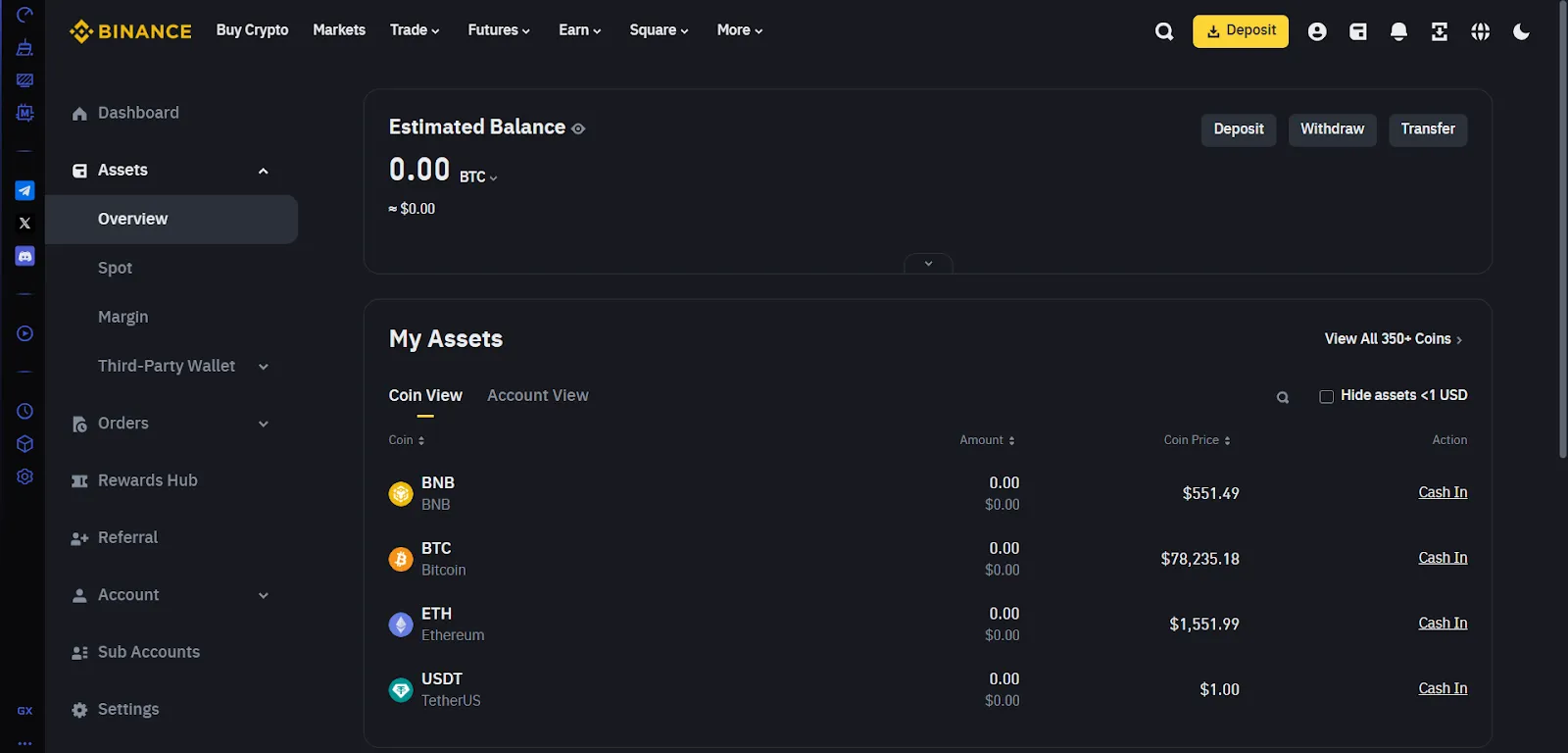
Registering on Binance and setting up a secure trading environment is essential for anyone looking to engage confidently in cryptocurrency markets. Binance, being one of the largest and most popular cryptocurrency exchanges globally, offers a user-friendly platform with robust security features designed to protect users’ assets and personal information.
The registration process on Binance begins by visiting the official website or downloading the official mobile app. Users need to provide an email address or phone number and create a strong password. It is crucial to use a unique password that combines uppercase letters, lowercase letters, numbers, and special characters to enhance account security. After entering these details, users must agree to binance register‘s terms of service before proceeding.
Once the initial registration is completed, verifying your identity through Know Your Customer (KYC) procedures is highly recommended. KYC verification involves submitting government-issued identification documents such as a passport or driver’s license along with proof of residence. This step not only increases withdrawal limits but also adds an extra layer of trustworthiness when trading on the platform.
After successfully registering and completing KYC verification, securing your account should be a priority. Binance provides several security measures that users can enable for enhanced protection. The first step is activating Two-Factor Authentication (2FA). This feature requires you to enter a time-sensitive code generated by an authentication app like Google Authenticator every time you log in or perform sensitive actions such as withdrawals or changing account settings.
Another important security measure offered by Binance includes anti-phishing codes which help users identify genuine emails from phishing attempts pretending to be from Binance support. Setting up withdrawal whitelist addresses ensures that funds can only be sent to pre-approved wallet addresses, reducing risks associated with unauthorized transactions.
Users are also advised never to share their login credentials or 2FA codes with anyone and avoid clicking on suspicious links or attachments received via email or social media channels claiming affiliation with Binance.
Finally, regularly reviewing account activity through transaction histories helps detect any unauthorized access early on so prompt action can be taken if necessary. Keeping software updated-including browsers and antivirus programs-further protects against potential vulnerabilities exploited by hackers targeting crypto traders worldwide.
In conclusion, registering on Binance is straightforward but establishing strong security measures during setup significantly improves safety while trading cryptocurrencies. By following these steps-creating robust passwords, completing KYC verification promptly, enabling two-factor authentication alongside other protective features-users can enjoy peace of mind as they navigate the dynamic world of digital asset trading securely on one of the leading platforms available today.